How to Design a Restaurant That Performs: Modern Minimalism, Maximum Impact
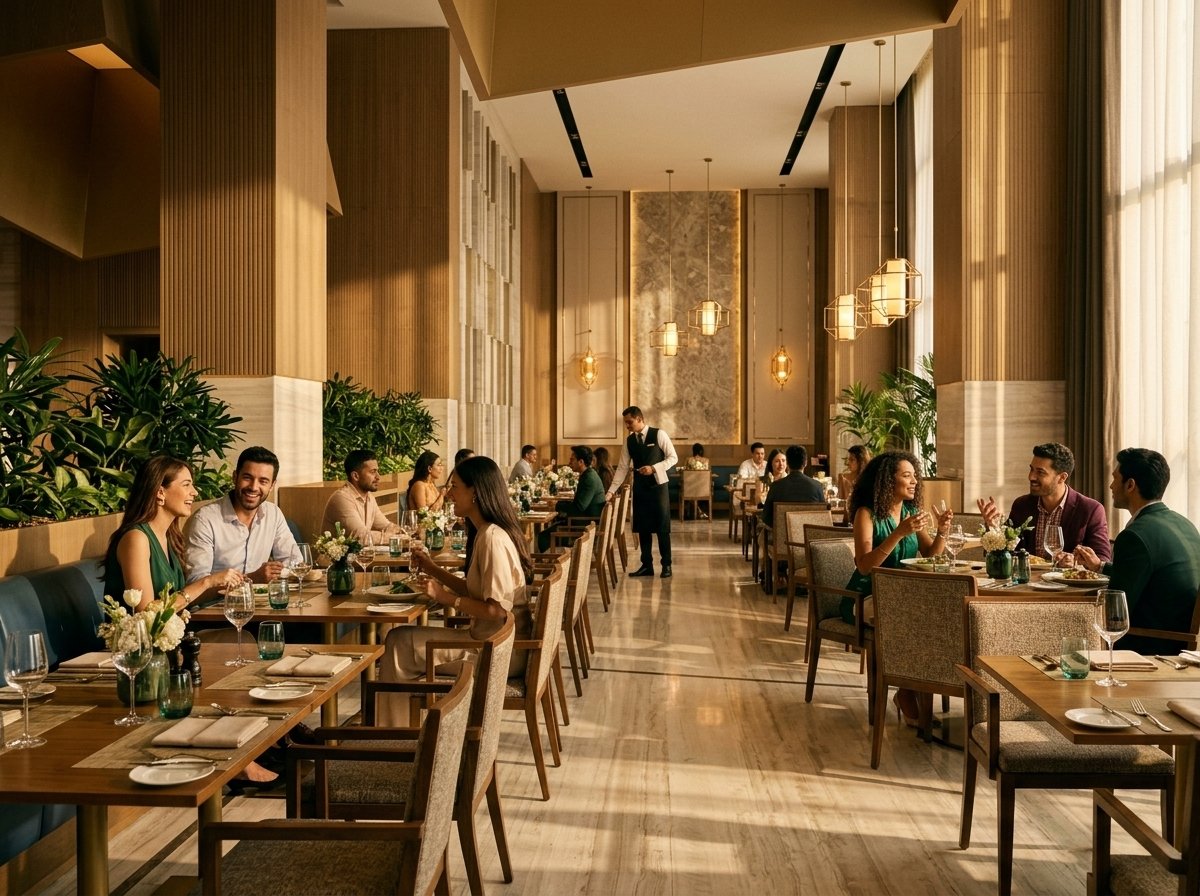
Forget everything you know about restaurant design. A modern minimalist restaurant isn’t just about clean lines—it’s about crafting a space that drives operational flow, tells your brand story, and integrates smart technology seamlessly. Your restaurant interior design Dubai project deserves more than style; it needs strategic layout planning and precise FOH and BOH workflow to perform at its peak. Let’s explore how AV Design International delivers luxury restaurant design that balances aesthetics with function, turning your vision into a thriving reality. For more insights, check out this guide on restaurant design.
Designing for Luxury and Performance
Exploring the balance between form and function is key to luxurious restaurant design. Let’s start with the first step: embracing modern minimalist aesthetics.
Embracing Modern Minimalist Aesthetics
Minimalism in restaurant design isn’t just about simplicity. It’s about creating a space that makes an impact. By using sleek lines and neutral palettes, you set the stage for an environment that breathes sophistication. This approach not only enhances visual appeal but also allows your brand’s personality to shine.
When less is more, it’s crucial to focus on quality over quantity. Choose high-grade materials and thoughtful furnishings that speak to your brand’s essence. This focus ensures each element serves a purpose, contributing to both style and comfort. Discover some inspiring minimalistic restaurant interiors on Pinterest.
The Importance of FOH/BOH Workflow
A well-designed workflow between the front and back of house is vital. It streamlines operations, ensuring that your staff can work efficiently. Smooth transitions between these areas reduce wait times and improve service quality, which delights guests and encourages repeat visits.
Consider the layout of each section. The front of house should facilitate easy navigation for guests and staff, while the back of house needs to support kitchen efficiency. This dual focus on workflow enhances overall performance, making your restaurant a well-oiled machine.
Integrating Smart Technology
Technology integration is not just a trend; it’s a necessity. Smart systems like digital menus and automated prep stations simplify operations and enhance the guest experience. By incorporating technology seamlessly, you maintain the minimalist aesthetic while boosting functionality.
Investing in smart technology helps you stay ahead of the curve. It not only improves operational efficiency but also keeps guests engaged and informed, adding another layer to the dining experience.
Key Elements of Restaurant Design
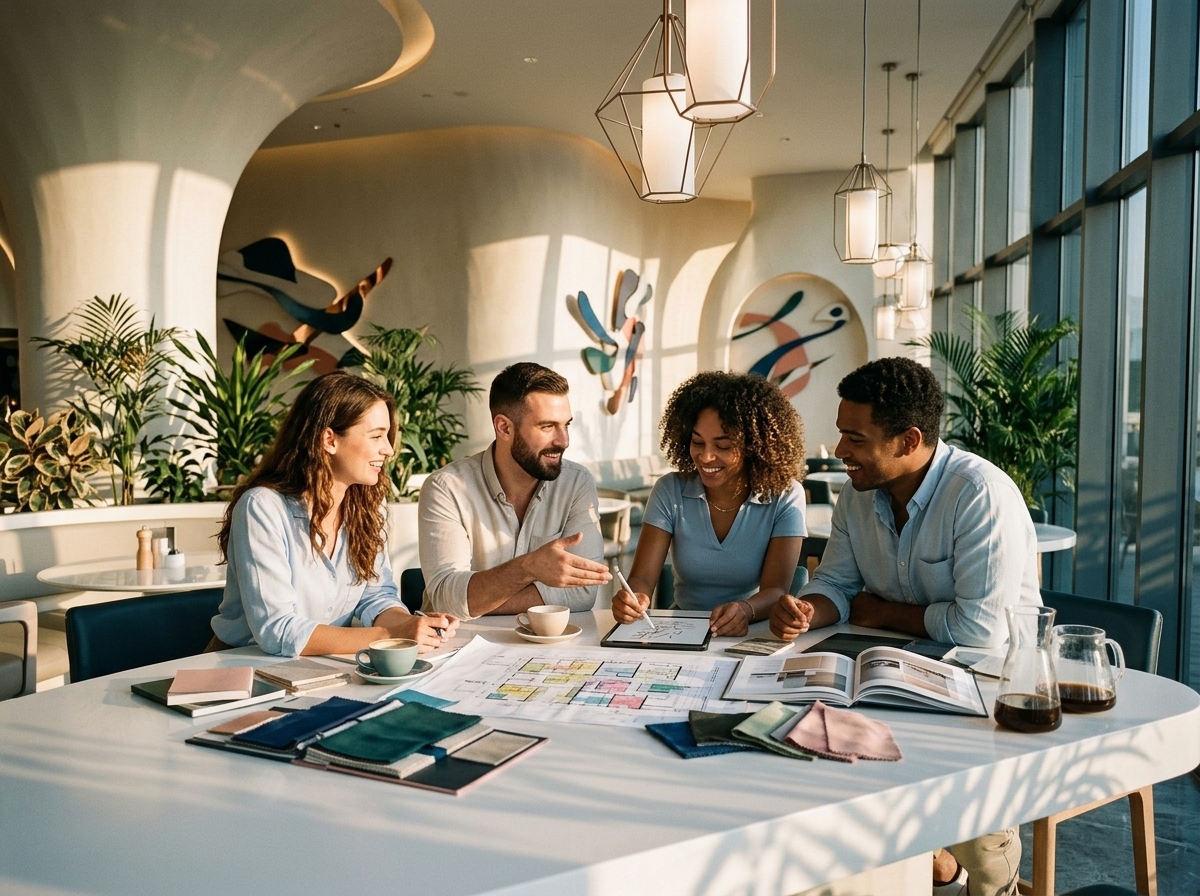
Designing a successful restaurant involves more than just aesthetics. Let’s explore how key elements come together to elevate the dining experience.
Crafting Brand Storytelling in Interiors
Your restaurant should tell a story. Through strategic design choices, you can convey your brand’s narrative visually. Elements like color schemes, textures, and decor play a pivotal role in this storytelling process, creating a memorable experience for guests.
Consider using local art or historical references to connect with your audience. This approach not only personalizes the space but also deepens the emotional connection guests feel. For more on effective storytelling through design, read about the psychology of restaurant interior design.
Acoustic Design for an Enhanced Atmosphere
Sound is an often overlooked aspect of restaurant design. Proper acoustic planning ensures that conversations are clear and comfortable, enhancing the overall dining experience. By addressing acoustics, you create an inviting atmosphere where guests can comfortably linger.
Utilize materials that absorb or diffuse sound, like soft furnishings and acoustic panels. This thoughtful approach makes your restaurant a place where guests enjoy spending their time, encouraging longer stays and repeat visits.
Architectural Lighting Design Essentials
Lighting is crucial in setting the mood. It highlights your restaurant’s best features and creates an inviting ambiance. Use a mix of natural and artificial lighting to enhance different aspects of your space, ensuring that each area is well-lit yet comforting.
Consider adjustable lighting options to adapt to different times of day and events. This flexibility allows you to maintain a consistent atmosphere while offering the right amount of illumination for various occasions. Explore architectural lighting design essentials for more insights.
The End-to-End Design Process
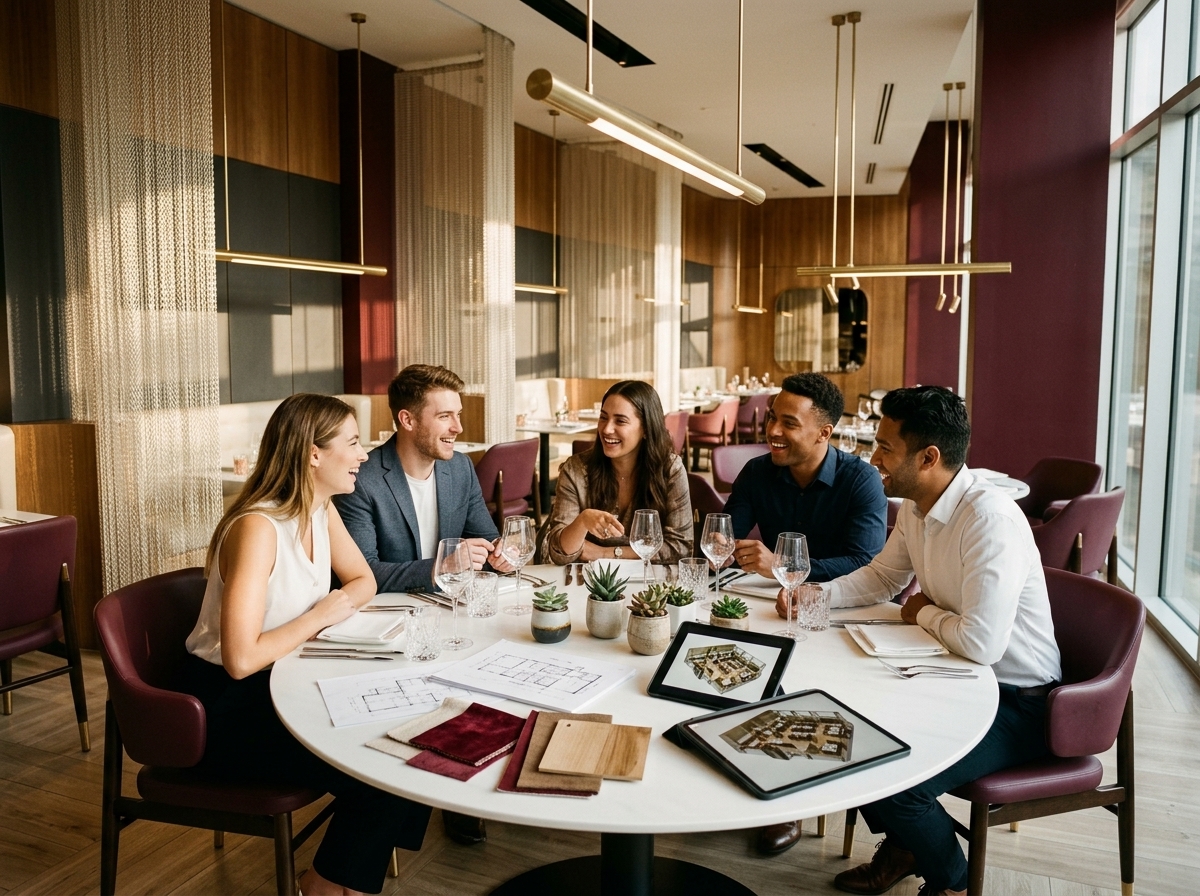
A successful restaurant design journey requires careful planning and execution. Let’s delve into the comprehensive process that brings your vision to life.
Restaurant Layout and Commercial Kitchen Planning
The layout is the backbone of your restaurant’s operation. Effective planning ensures that space is utilized efficiently, promoting smooth workflow and enhancing guest experiences. When designing your layout, consider how guests and staff will move through the space.
Focus on optimizing the commercial kitchen design for both functionality and safety. A well-organized kitchen reduces prep time and increases productivity, while a thoughtfully planned dining area ensures comfort and accessibility for guests.
Custom Furniture and FF&E Selection
Custom furniture and fixtures add a unique touch to your restaurant, enhancing its personality. Selecting the right furniture involves considering both aesthetics and durability, ensuring that pieces align with your brand and withstand daily use.
Pay attention to the details in your FF&E (furniture, fixtures, and equipment) choices. These elements should complement the overall design while providing comfort and utility. By investing in custom solutions, you offer guests an experience that is both authentic and memorable.
Sustainable Materials and BIM Coordination
Sustainability is increasingly important in design. By choosing eco-friendly materials, you not only reduce your environmental footprint but also appeal to conscious consumers. This consideration enhances your restaurant’s appeal while supporting global sustainability efforts.
Building Information Modeling (BIM) coordination streamlines the design and construction process, ensuring that all elements come together seamlessly. This approach minimizes errors and maximizes efficiency, delivering a final product that meets your high standards.
Frequently Asked Questions
What is the importance of integrating smart technology in restaurant design?
Integrating smart technology streamlines operations and enhances guest experiences. It allows for efficient service, easy menu updates, and a modern dining atmosphere, keeping your restaurant competitive.
How do acoustics affect the customer experience in a restaurant?
Good acoustics create a pleasant atmosphere by ensuring conversations are clear and without excessive noise. This attention to sound quality makes guests feel comfortable, encouraging them to stay longer.
Why is custom furniture important in restaurant design?
Custom furniture aligns with your brand’s aesthetic and meets specific functional needs. It adds uniqueness to your design, enhancing the overall guest experience through tailored comfort and style.
How do sustainable materials benefit restaurant design?
Sustainable materials reduce environmental impact and appeal to eco-conscious diners. They contribute to a restaurant’s brand image as responsible and forward-thinking, attracting a wider audience.
What role does lighting play in restaurant ambiance?
Lighting sets the mood and highlights key design elements. It impacts how guests perceive the space, making them feel comfortable and welcome, which is crucial for repeat business.