Creating Immersive Spaces: The Future of Hospitality Design
Forget everything you know about hospitality design. The old models that separated luxury from technology no longer cut it. Today’s immersive design blends sleek aesthetics with smart tech to create spaces your guests won’t just see—they’ll feel. Let’s explore how these hospitality design trends will redefine luxury hotel design and reshape the guest experience.
The Evolution of Immersive Design
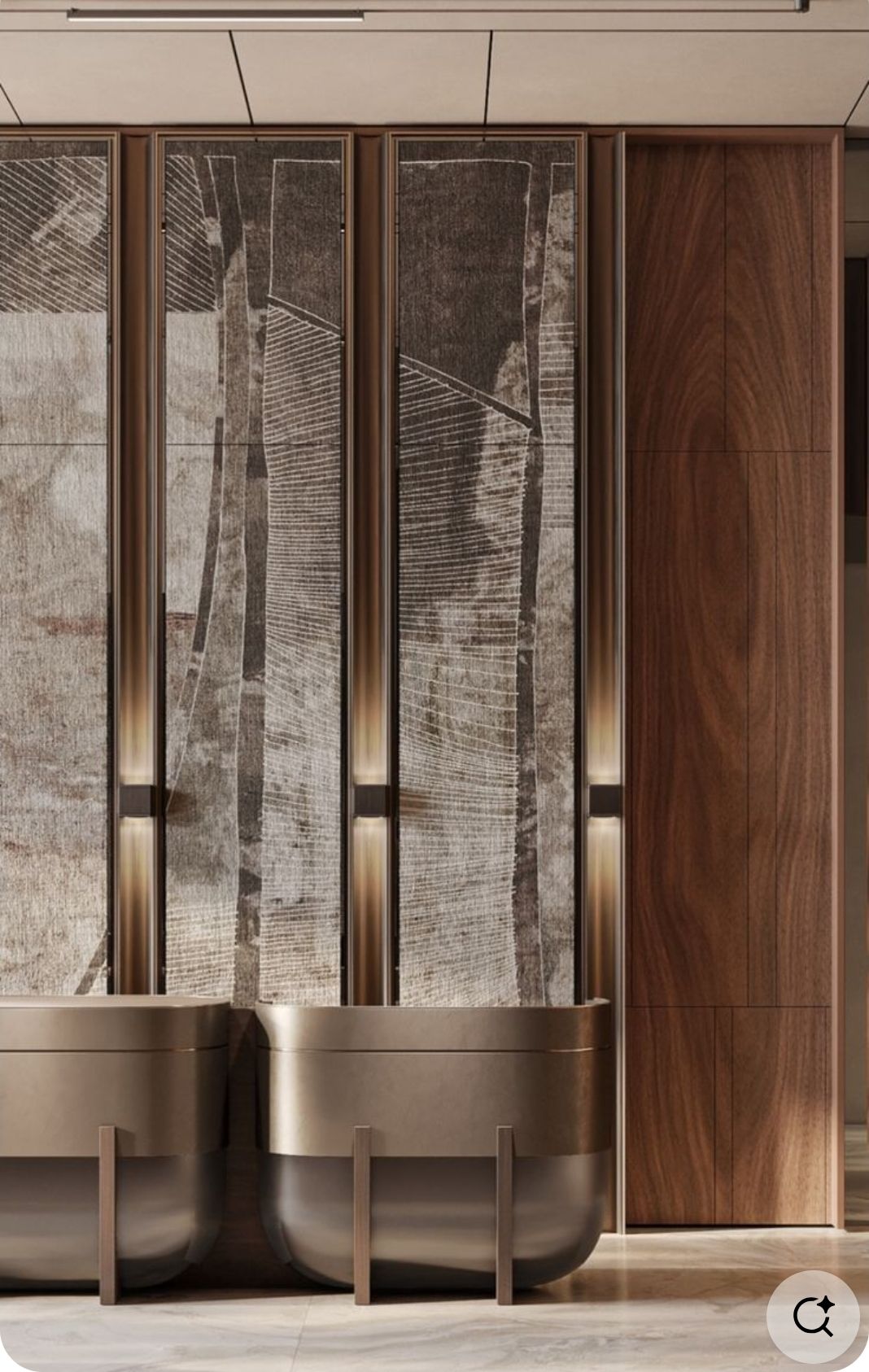
As we step into a new era of hospitality, the synergy between technology and luxury sets the stage for unforgettable guest experiences.
Integrating Technology with Luxury
Imagine entering a hotel room that adapts to your mood. This is the power of smart technology in luxury spaces. Voice-activated assistants control everything from lighting to temperature, ensuring your comfort is just a command away. Such features are not mere additions but essentials that redefine convenience and opulence.
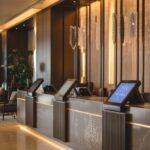
Seamless connectivity transforms interactions. High-speed internet and touchscreen interfaces are now standard, allowing you to stay connected effortlessly. The real magic happens when technology brings services to life. Picture ordering room service through a tablet that also offers virtual tours of the local area. It’s about creating a space that feels alive, responsive, and tailored to you.
Enhancing the Guest Experience
Design is no longer just about aesthetics; it’s about how you make your guests feel. Comfort meets innovation through personalized services. Guests expect customized experiences, where their preferences are anticipated and met.
Consider a spa session booked through an app that remembers your last treatment. Or a dining experience where dietary needs are automatically accommodated. This level of personalization enhances satisfaction, making each visit feel unique. The longer you wait to embrace these changes, the more you risk falling behind in delivering memorable stays.
Key Hospitality Design Trends
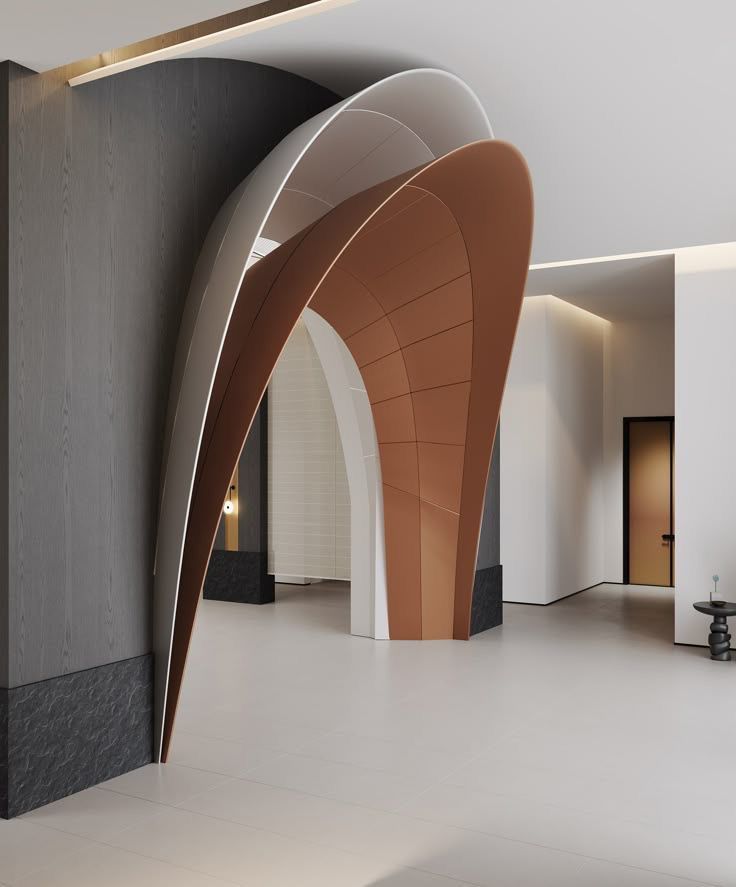
Today’s trends focus on crafting spaces that are both beautiful and practical, ensuring that every detail serves a purpose.
Blending Aesthetics and Functionality
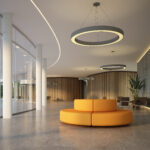
Luxury isn’t just about appearance; it’s about intelligent design that enhances usability. Think of a lobby where furniture doubles as art, inviting guests to linger. Modular seating arrangements allow for flexible configurations, accommodating everything from intimate gatherings to large events.
This trend extends to guest rooms, where multi-functional furniture saves space while offering maximum comfort. By marrying form with function, you create environments that are not only stunning but also incredibly versatile.
Emphasizing Sustainability in Design
Sustainability isn’t just a buzzword—it’s a necessity. More hotels are integrating eco-friendly practices into their designs. Imagine a rooftop garden that not only provides fresh produce but also insulates the building, reducing energy costs.
Recycled materials and energy-efficient lighting are becoming standard. These practices not only reduce environmental impact but also appeal to a growing demographic of eco-conscious travelers. By adopting sustainable methods, you’re not just saving the planet—you’re attracting a new wave of guests who value responsibility.
Creating Unforgettable Spaces
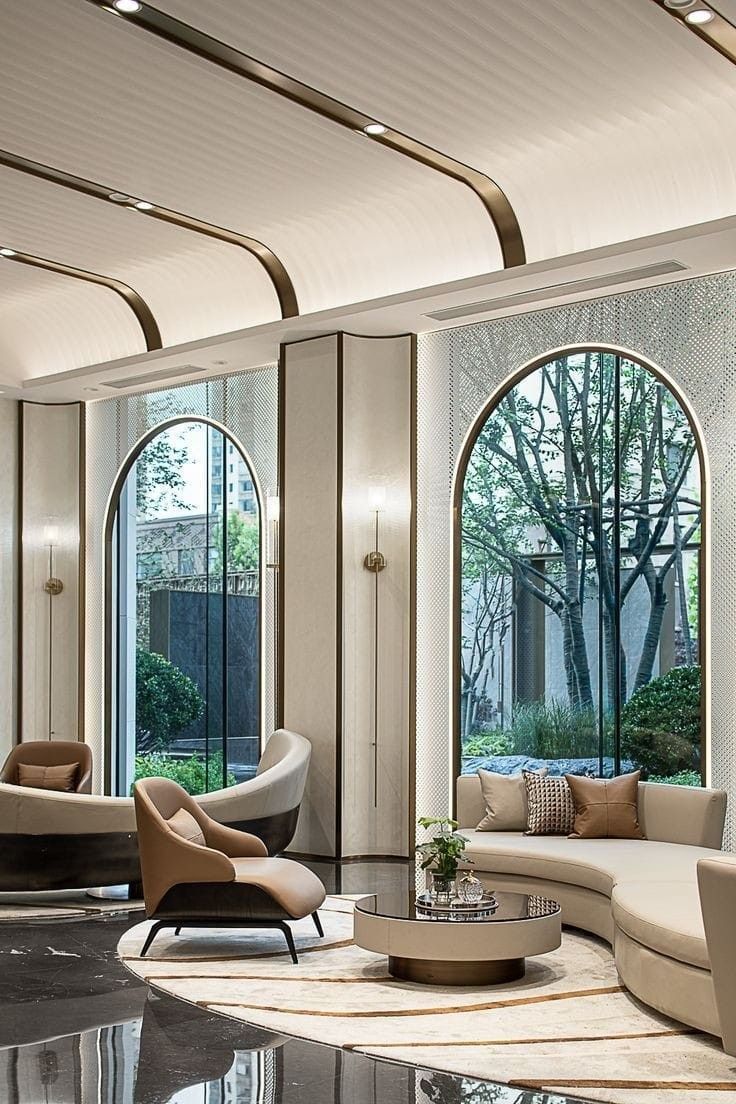
Crafting a memorable space goes beyond aesthetics; it involves a thoughtful blend of design and technology.
Case Studies of Luxury Hotel Design
Look at the Burj Al Arab in Dubai. Its sail-shaped silhouette is iconic, but it’s the interior that captivates guests. With gold leaf accents and panoramic views, it’s a testament to luxury. The design invites exploration, with each space offering a new experience.
In contrast, the Treehotel in Sweden offers a different kind of luxury—one rooted in nature. Suspended in trees, these rooms blend into the forest, providing a serene escape. Both examples highlight how diverse design can create lasting impressions by focusing on unique experiences.
Innovative Use of Technology in Hospitality
Technology is at the forefront of innovation in hospitality. The YOTEL chain, known for its compact yet luxurious cabins, uses technology to maximize space. Automated check-ins and smart beds that adjust to your preferred position showcase how tech enhances convenience.
These advancements not only streamline operations but also elevate guest satisfaction. When technology is used creatively, it transforms ordinary stays into extraordinary experiences. By embracing such innovations, you ensure that your spaces remain at the cutting edge of hospitality design.